
Subscribe for more insights,
straight to your inbox
Every week, Mercado CEO Rob Garrison pens his latest learnings from the supply chain industry as part of an on-going series. Each article aims to share a little insight into what's going on that week, and to help foster discussion amongst industry professionals across levels, geographies, and companies.
Subscribe
I've spent my entire career thinking about the best way to ship products around the globe. I know, get a life right? Big props to all the pros in this industry who really mastered their craft, and made things happen 24/7, which is the nature of this global business.
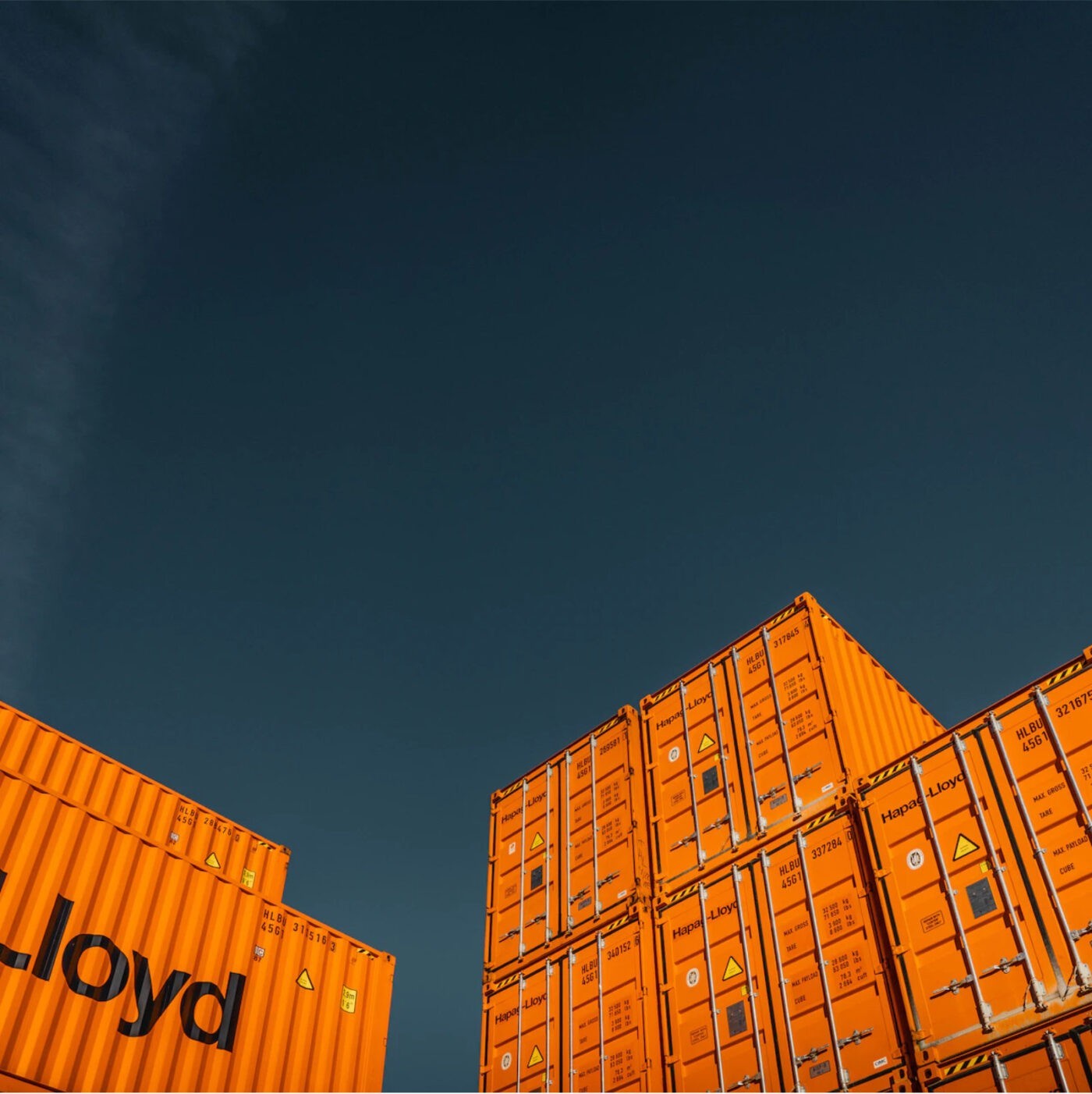
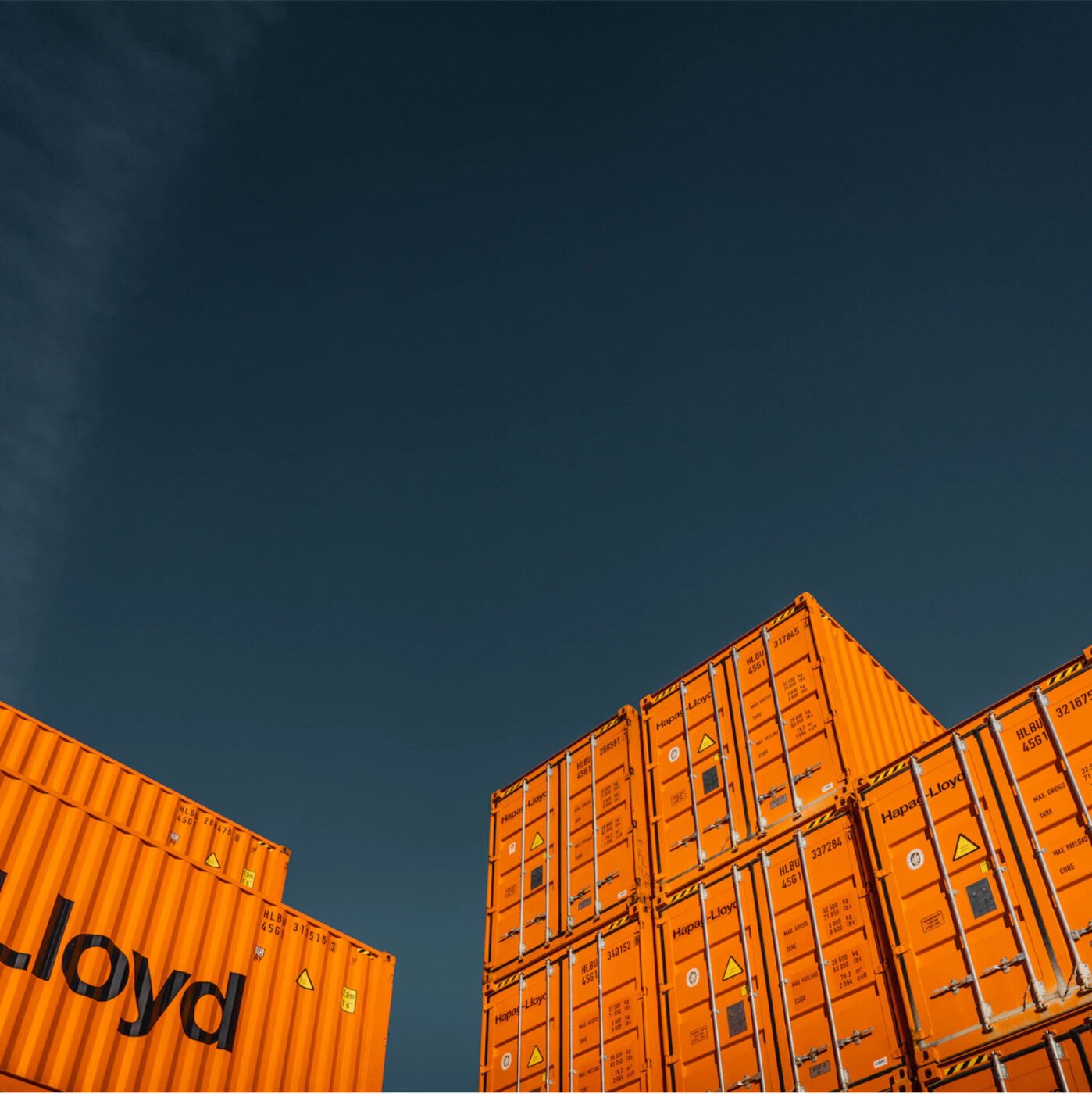
One of things I often took for granted was the container. By the time I entered the industry, the container was a staple, but it's critical role in making global logistics 'a thing' is often overlooked. By the late 60's, containers were prevalent in both the Atlantic and Pacific trades. In 1970 the ISO created standards for container sizes. It was these standards for containers that really enabled global trade to take off. Today, Global trade represents 15% of the US GDP, or nearly $3 trillion dollars.
If you are interested in going deeper on the history of containers past to present, please check out this excellent post and infographic by Judah Levine of Freightos.
So how exactly did the humble container enable global trade to take off?
Loading. Prior to containers, products had to be hand loaded and unloaded onto ships in bulk. The time and expense of this process made scale and efficiency difficult. With containers, companies could engineer their products and packaging to maximize the space inside a secure space for transport. The work shifted from the port to the factory or distribution centers at origin and destination, creating further efficiencies. IKEA has perfected this, but please don't get me started on having to re-assemble what they have 'optimized for shipping' : ) If you want a good laugh check out a parody on YouTube by Charlie Berens called 'How IKEA was invented.'
Engineering. This is the big one. Once a standard unit of measure was created for the container, every other logistics asset could be engineered to accommodate it, which by default meant a global shipping standard. Ships could create the perfect size slots, cranes could be designed to efficiently lift and lower them, chassis could be designed to hold them, distribution centers could be designed to receive them. This ability to engineer predictability and efficiency across the globe, drove the cost to ship a container to extremely affordable levels.
Two other huge benefits were security and storage. Containers are made of steel, and they are sealed, limiting theft. The containers themselves could also be efficiently stored, further reducing costs.
This powerful combination of being able to securely, efficiently, and cost effectively ship products around the globe, happened in large part, due to the simple but amazing introduction of the container.
Cheers to the pioneer Malcom McLean, and to the humble container.
If you are interested in going deeper on the history of containers past to present, please check out this excellent post and infographic by Judah Levine of Freightos.
So how exactly did the humble container enable global trade to take off?
Loading. Prior to containers, products had to be hand loaded and unloaded onto ships in bulk. The time and expense of this process made scale and efficiency difficult. With containers, companies could engineer their products and packaging to maximize the space inside a secure space for transport. The work shifted from the port to the factory or distribution centers at origin and destination, creating further efficiencies. IKEA has perfected this, but please don't get me started on having to re-assemble what they have 'optimized for shipping' : ) If you want a good laugh check out a parody on YouTube by Charlie Berens called 'How IKEA was invented.'
Engineering. This is the big one. Once a standard unit of measure was created for the container, every other logistics asset could be engineered to accommodate it, which by default meant a global shipping standard. Ships could create the perfect size slots, cranes could be designed to efficiently lift and lower them, chassis could be designed to hold them, distribution centers could be designed to receive them. This ability to engineer predictability and efficiency across the globe, drove the cost to ship a container to extremely affordable levels.
Two other huge benefits were security and storage. Containers are made of steel, and they are sealed, limiting theft. The containers themselves could also be efficiently stored, further reducing costs.
This powerful combination of being able to securely, efficiently, and cost effectively ship products around the globe, happened in large part, due to the simple but amazing introduction of the container.
Cheers to the pioneer Malcom McLean, and to the humble container.



About the author

Rob Garrison
A highly accomplished Global Supply Chain executive with 25 years of experience, Rob Garrison has provided strategic vision and leadership to Fortune 500 companies. Rob has an impressive history of building agile, technology-enabled supply chains, and he has an established track record of forging high-growth partnerships, positioning organizations for success and launching innovative technology solutions that significantly improve end-to-end supply chain efficiencies.
Rob is currently CEO and founder of Mercado Labs.
Rob is currently CEO and founder of Mercado Labs.