
Article
First Things First
Insight: Onshoring – The Future of US Manufacturing and Global Trade
April 17, 2023
By Rob Garrison
Subscribe for more insights,
straight to your inbox
Every week, Mercado CEO Rob Garrison pens his latest learnings from the supply chain industry as part of an on-going series. Each article aims to share a little insight into what's going on that week, and to help foster discussion amongst industry professionals across levels, geographies, and companies.
Subscribe
In my previous post, I shared an insightful graphic from Visual Capitalist, illustrating the inbound and outbound flows of global trade.
Global trade remains a critical concern for the roughly 250,000 US companies that source products from abroad, particularly given the current economic and political uncertainties worldwide.
At the core, businesses engaged in global trade are grappling with two fundamental questions:
Should they opt for local manufacturing and/or sourcing of products made in the United States, as opposed to procuring them from overseas?
If continuing to source from abroad, should they explore alternative locations?
Several factors influence these decisions, such as total cost, product quality, product availability, potential risk, supplier availability, raw material accessibility, and workforce availability.
According to an article by John Kielman of The Wall Street Journal Street Journal, investments in US manufacturing facilities have surged from roughly $80 billion per year since 2015 to $108 billion in 2022.
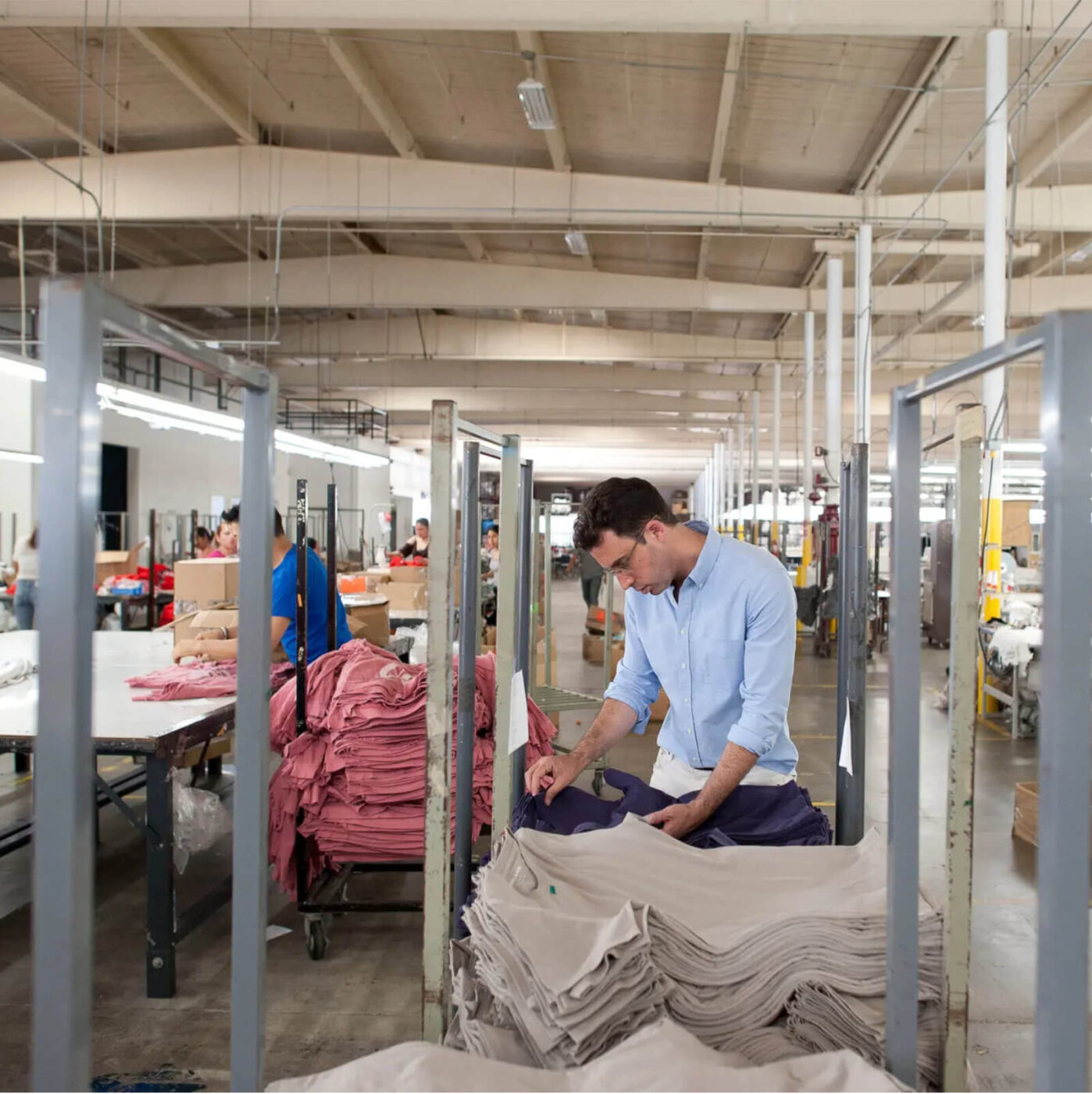
While a significant portion of this investment targets advanced manufacturing sectors (e.g., batteries, automotive, chips), lower-value consumer goods manufacturers like Kent and Black & Decker are also adopting innovative approaches.
These two companies exemplify a 'hybrid' model, employing assembly and light manufacturing in Carolina, while still sourcing parts from abroad. Both attribute automation as the key driver for cost-effective domestic production.
What are your thoughts on the future of onshoring in the US?
At the core, businesses engaged in global trade are grappling with two fundamental questions:
Should they opt for local manufacturing and/or sourcing of products made in the United States, as opposed to procuring them from overseas?
If continuing to source from abroad, should they explore alternative locations?
Several factors influence these decisions, such as total cost, product quality, product availability, potential risk, supplier availability, raw material accessibility, and workforce availability.
According to an article by John Kielman of The Wall Street Journal Street Journal, investments in US manufacturing facilities have surged from roughly $80 billion per year since 2015 to $108 billion in 2022.
While a significant portion of this investment targets advanced manufacturing sectors (e.g., batteries, automotive, chips), lower-value consumer goods manufacturers like Kent and Black & Decker are also adopting innovative approaches.
These two companies exemplify a 'hybrid' model, employing assembly and light manufacturing in Carolina, while still sourcing parts from abroad. Both attribute automation as the key driver for cost-effective domestic production.
What are your thoughts on the future of onshoring in the US?


About the author

Rob Garrison
A highly accomplished Global Supply Chain executive with 25 years of experience, Rob Garrison has provided strategic vision and leadership to Fortune 500 companies. Rob has an impressive history of building agile, technology-enabled supply chains, and he has an established track record of forging high-growth partnerships, positioning organizations for success and launching innovative technology solutions that significantly improve end-to-end supply chain efficiencies.
Rob is currently CEO and founder of Mercado Labs.
Rob is currently CEO and founder of Mercado Labs.