Article
First Things First
Insight: The history of ‘modern’ global trade (Part 1)
June 2, 2023
By Rob Garrison
Subscribe for more insights,
straight to your inbox
Every week, Mercado CEO Rob Garrison pens his latest learnings from the supply chain industry as part of an on-going series. Each article aims to share a little insight into what's going on that week, and to help foster discussion amongst industry professionals across levels, geographies, and companies.
Subscribe
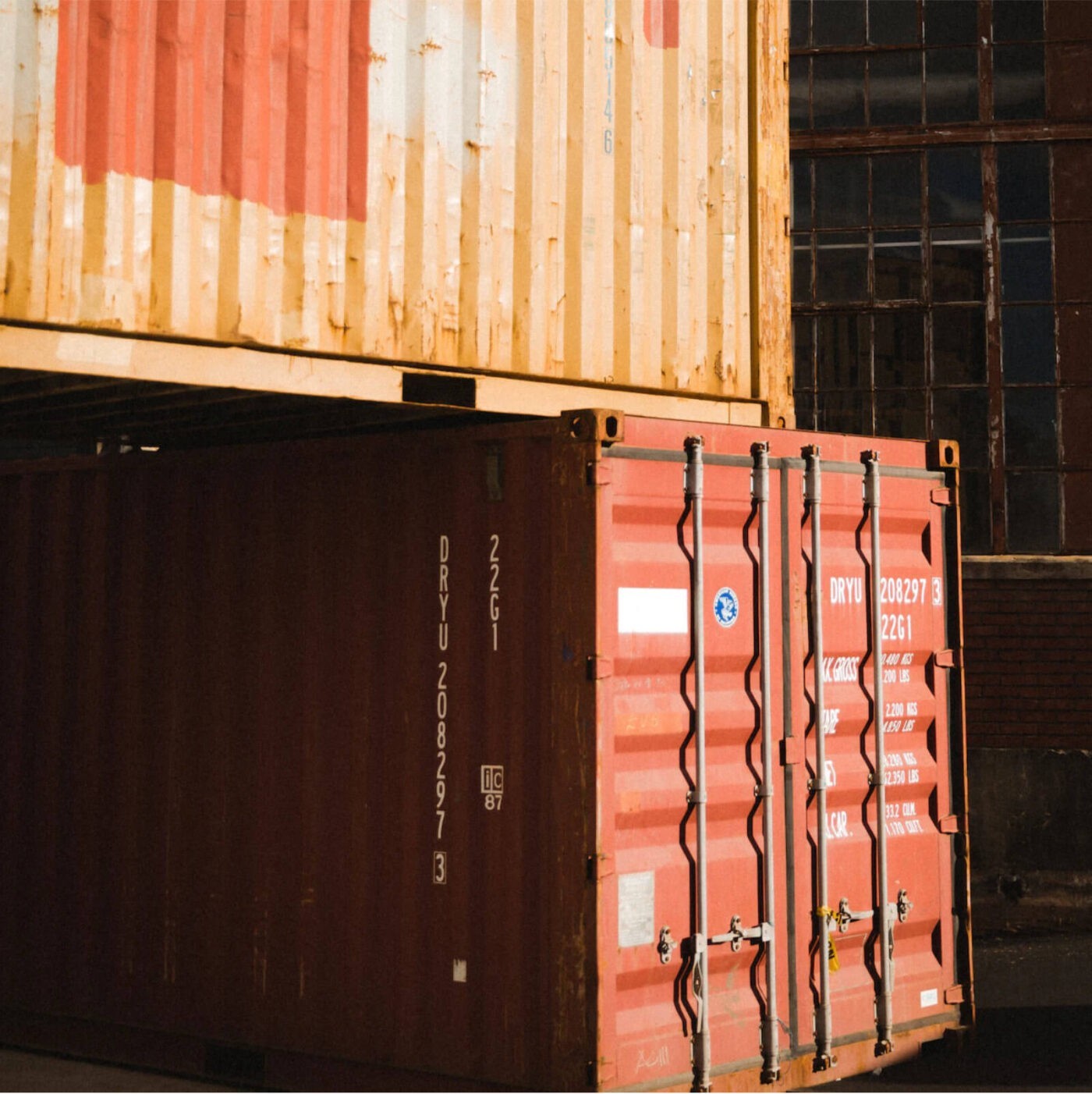
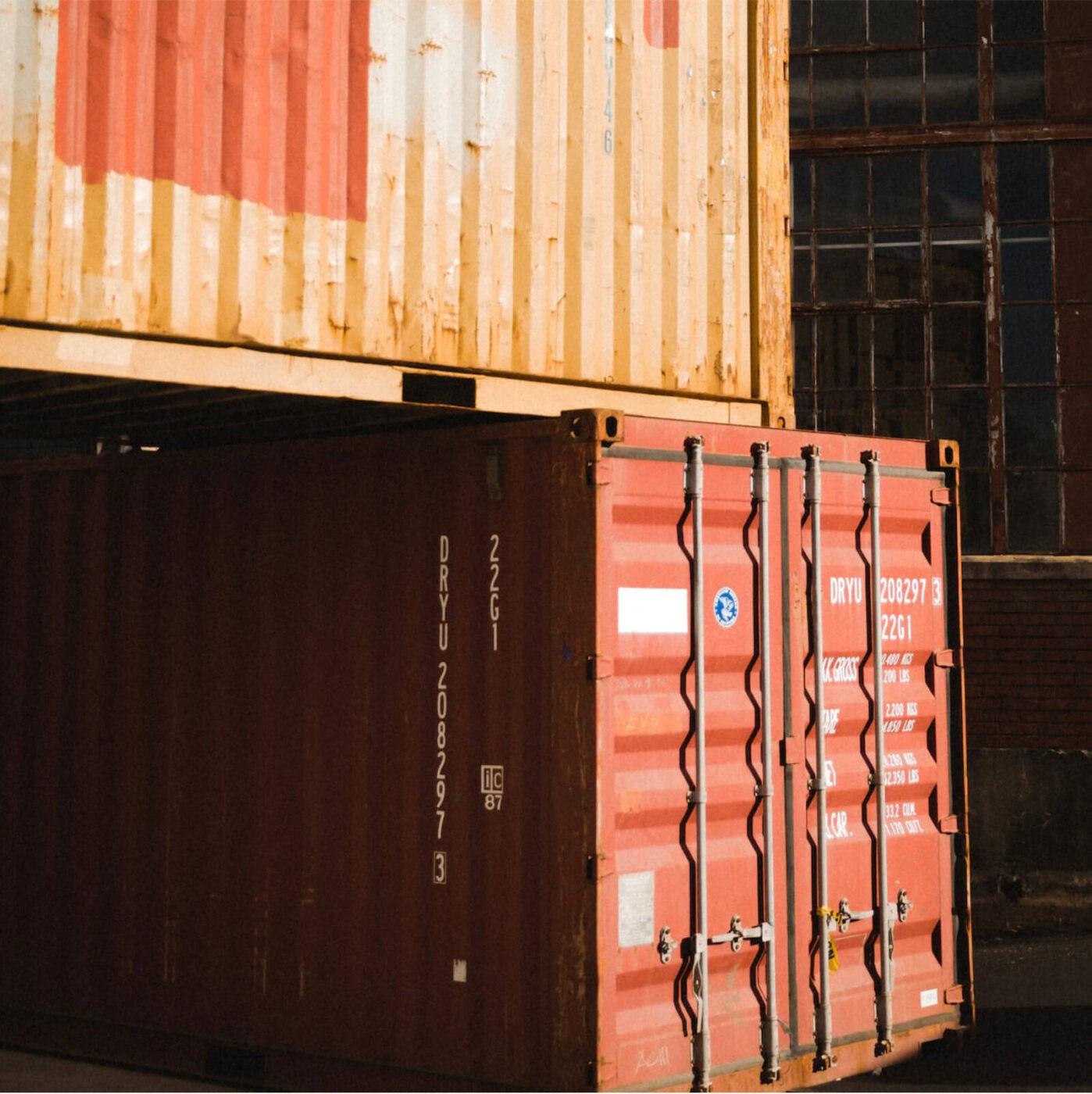
When Ocean containers were introduced to the Pacific Trade in the late 1960s it revolutionized trade.
Before the introduction of containers, importers would send their products directly to the pier, where they were loaded onto the vessel by longshoremen. With containers they could be loaded off-port, sealed for protection, and then transported efficiently anywhere in the world over sea and land.
One of the largest US importers at that time was Sears Roebuck. In those days, Sears dominated retail in much the same way Amazon does today. Sears immediately saw the benefits of containers; however, they needed services to support this new method. Sealand, a major ocean carrier at that time, agreed to perform the necessary services: collecting the documents, loading the containers, and transporting them to the port. Sealand created a separate division for this called Buyers and Shippers, named after the Sears buyers and their shippers. To this day, some importers still refer to this service as buyer’s consolidation.
Over time, Sears requested additional services, such as document inspection, data transmission, and supplier follow-ups. Other major carriers entered the picture. Maersk created a division called Mercantile, and APL formed American Consolidation Services. By the early 1980s, forwarders started to enter the game. Expeditors bought a company in Taiwan called Cargo Management Services, to form ECMS. By the mid-1980s, there were roughly 15 companies in the 'consolidation' business. It was also around this time that Purchase Order Management entered the picture. Customers wanted to know the status of their products, in addition to their shipments and for that they needed their PO data tied to their shipments.
At the end of the 1980s, the first pure-play order management technology company, Lognet entered the picture and a decade later, another ex-APL employee, John Urban, founded GT Nexus.
Over time, data became as important as the services. Purchase order management involves receiving the PO from the importer and matching the order to the shipment at the time of booking. Back then this required two EDI transmissions: an 850-purchase order transaction and an 856-advanced ship notice. The service was primarily for logistics professionals, who used the order to perform three functions:
One of the largest US importers at that time was Sears Roebuck. In those days, Sears dominated retail in much the same way Amazon does today. Sears immediately saw the benefits of containers; however, they needed services to support this new method. Sealand, a major ocean carrier at that time, agreed to perform the necessary services: collecting the documents, loading the containers, and transporting them to the port. Sealand created a separate division for this called Buyers and Shippers, named after the Sears buyers and their shippers. To this day, some importers still refer to this service as buyer’s consolidation.
Over time, Sears requested additional services, such as document inspection, data transmission, and supplier follow-ups. Other major carriers entered the picture. Maersk created a division called Mercantile, and APL formed American Consolidation Services. By the early 1980s, forwarders started to enter the game. Expeditors bought a company in Taiwan called Cargo Management Services, to form ECMS. By the mid-1980s, there were roughly 15 companies in the 'consolidation' business. It was also around this time that Purchase Order Management entered the picture. Customers wanted to know the status of their products, in addition to their shipments and for that they needed their PO data tied to their shipments.
At the end of the 1980s, the first pure-play order management technology company, Lognet entered the picture and a decade later, another ex-APL employee, John Urban, founded GT Nexus.
Over time, data became as important as the services. Purchase order management involves receiving the PO from the importer and matching the order to the shipment at the time of booking. Back then this required two EDI transmissions: an 850-purchase order transaction and an 856-advanced ship notice. The service was primarily for logistics professionals, who used the order to perform three functions:
- Communication of product status (how many Christmas trees versus how many containers).
- Forecasting (how many containers were needed, utilization, how much warehouse space, etc.) for greater efficiency.
- Quality control for tasks like documentation management, consolidation, and carrier scheduling.


About the author

Rob Garrison
A highly accomplished Global Supply Chain executive with 25 years of experience, Rob Garrison has provided strategic vision and leadership to Fortune 500 companies. Rob has an impressive history of building agile, technology-enabled supply chains, and he has an established track record of forging high-growth partnerships, positioning organizations for success and launching innovative technology solutions that significantly improve end-to-end supply chain efficiencies.
Rob is currently CEO and founder of Mercado Labs.
Rob is currently CEO and founder of Mercado Labs.